
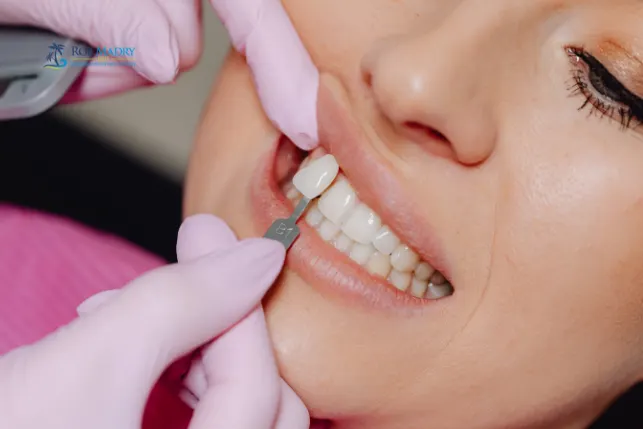
Cosmetic bonding is a simple way to improve the look of your smile, but how long does dental bonding last? With proper dental bonding care, the results can last for several years. From chips and small gaps to uneven or misshapen teeth, cosmetic bonding is a versatile treatment that can correct a variety of imperfections, helping you achieve a smile that you’ll be proud to show off.
But before you decide to proceed with this treatment, you probably want to know how long you can expect it to last. The good news is that with proper care, cosmetic bonding can last for several years; however, it is important to note that things like everyday wear, your oral health, and where the bonding is placed can impact its lifespan.
At Rob Madry DDS, we want our patients to feel confident about the treatments they receive. To help you get the most value out of cosmetic bonding, let’s take a closer look at how long it lasts and what you can do to make it last longer.
How Long Does Dental Bonding Last?
Cosmetic bonding can last for several years, but with proper care, you may be able to enjoy the results even longer. It is important to note, however, that unlike crowns or veneers, bonding isn’t considered a permanent restoration, and over time, it may need to be repaired or replaced.
Several factors can affect the lifespan of dental bonding, such as:
- Location: Bonding on teeth that do the most chewing, such as the molars, may experience more wear.
- Bite: Clenching and grinding your teeth can put additional pressure on bonded teeth, increasing the risk of chips and wear.
- Habits: Biting your fingernails, chewing ice, and using your teeth as tools can damage cosmetic bonding.
- Oral hygiene: Regular brushing, flossing, and dental cleanings can help protect the teeth and gums surrounding the bonding.
- Diet and lifestyle: Consuming coffee, tea, red wine, and other dark-colored foods and drinks can stain bonding, affecting its appearance over time.
While bonding isn’t considered a permanent restoration, taking good care of your teeth and gums can help you get the most from your results. Your dentist can give you a better understanding of what kind of results you can expect based on your specific circumstances.
What Damages Cosmetic Bonding?
Cosmetic bonding is designed to blend seamlessly with your natural teeth, giving your smile a noticeable improvement. Generally, bonding is durable enough, but it isn’t indestructible. Like your natural teeth, bonded teeth are exposed to everything you eat, drink, and do with your mouth on a daily basis.
Over time, pressure, certain habits, and everyday wear can chip, crack, wear down, or stain bonding. Understanding what can put your cosmetic bonding at risk can allow you to practice proper care and keep your new smile looking great for as long as possible.
So, what damages cosmetic bonding?
- Biting Hard Foods or Objects: Hard objects, such as ice, hard candy, pens, and even fingernails, can put unnecessary strain on bonded teeth. Just because chewing on ice has never damaged your natural teeth doesn’t mean it can’t damage bonding. Bonded areas are more vulnerable to chipping, so it’s important to avoid biting anything hard.
- Teeth Grinding and Clenching: If you grind or clench your teeth, particularly while sleeping, the pressure can shorten the life of your cosmetic bonding. If your jaw feels sore, you experience headaches when you wake up, or you notice any other signs of wear on your teeth, your dentist can provide options to help with grinding and clenching.
- Dark-Colored Foods and Drinks: Like natural teeth, cosmetic bonding can become discolored over time. If you regularly consume coffee, tea, red wine, or other dark foods or beverages, there’s a chance your bonding will become stained.
- Poor Oral Hygiene: Bonding is purely cosmetic, so it doesn’t protect the surrounding tooth from cavities or gum disease. Brushing twice a day, flossing regularly, and keeping up with routine dental cleanings are important for protecting not only your bonded teeth but your entire smile.
How to Make Dental Bonding Last Longer
Fortunately, practicing a few simple habits will help protect your cosmetic bonding and keep your smile looking great. After having bonding applied, keep the following tips in mind:
- Practice good oral hygiene: Brush your teeth twice a day with a soft-bristled toothbrush and floss between your teeth every day.
- Be mindful of what you bite: Avoid chewing on hard objects, such as ice, candy, pens, and fingernails. If you have your front teeth bonded, it’s also important to be careful when biting directly into hard foods, like apples.
- Limit darkly pigmented foods and drinks: Coffee, tea, and red wine are just a few examples of darkly pigmented foods and beverages that can discolor bonded teeth. Limit your consumption of these items, and when you do consume them, be sure to thoroughly rinse your mouth afterward.
- Wear a nightguard: If you grind or clench your teeth, wearing a custom nightguard can help protect both your bonded and natural teeth while you sleep.
- Keep up with dental appointments: During routine visits, your dentist will check the condition of your bonding. If minor problems are spotted, they can be corrected before they become worse.
What if Your Cosmetic Bonding Becomes Damaged?
Even with proper care, there is a chance that cosmetic bonding can chip, crack, wear, or become discolored. If your bonded teeth do become damaged, don’t panic. Schedule an appointment with your dentist as soon as possible. Depending on the extent of the damage, your dentist may be able to repair the affected area and fully restore the appearance of the tooth.
If you notice that a bonded tooth feels different or that the shape, color, or texture seems to have changed, it’s best to err on the side of caution and have it checked. Your dentist will perform a thorough evaluation to determine if anything needs to be addressed.
Give Your Smile the Attention It Deserves
Cosmetic bonding can dramatically improve the look of your smile without the need for extensive treatments. To get the most out of your results and keep your smile looking great for years to come, taking care of your bonded teeth is crucial. With proper care, good habits, and regular dental visits, you can protect the appearance and extend the lifespan of your dental bonding while also improving the health of your natural smile.
Ready to find out if cosmetic bonding is right for you? Contact Rob Madry DDS today to schedule a consultation at our Corpus Christi office. You can count on us to give your smile the attention it deserves.